
Effective booth design begins with setting clear goals and understanding the target audience to guide resource allocation. Next, planning the layout and visual theme ensures an inviting space aligned with brand identity. Selecting durable, lightweight, and sustainable materials alongside engaging technology enhances visitor experience. Thorough logistics and staffing organization prepare for smooth event execution. Finally interior design exhibition, finishing touches like interactive displays and ambient lighting encourage engagement. Further insights reveal how these elements combine to craft impactful exhibition environments.
Set Clear Exhibition Booth Design Goals and Know Your Audience
How can an exhibition booth effectively capture attention and communicate its message? The foundation lies in setting clear design goals aligned with the booth’s purpose. Identifying whether the objective is to generate leads, build brand awareness https://upstageexpo.com/home, or launch a product directs design choices and resource allocation.
Equally important is understanding the target audience’s preferences, needs, and behaviors. Knowing the audience enables a tailored approach, ensuring the booth resonates and invites meaningful engagement.
This clarity empowers designers to create focused, impactful environments that liberate visitors from distractions and guide them toward intended interactions. By defining precise goals and audience insights upfront, exhibitors release the potential to craft booths that not only attract but also communicate with purpose and freedom.
Plan Your Booth Design Layout and Develop a Visual Theme
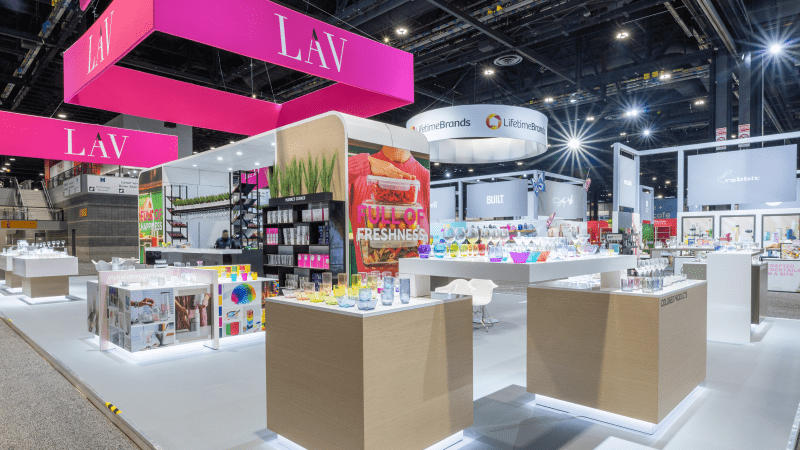
Once clear goals and audience insights are established, the next step involves organizing the physical space and visual elements to support those objectives. The booth layout should prioritize open, inviting areas that encourage movement and interaction, allowing visitors to explore freely without feeling confined.
Strategic placement of key features—such as product displays, demo zones, and seating—maximizes engagement and flow. Developing a cohesive visual theme reinforces brand identity while providing a unified experience.
This includes selecting colors, fonts, and imagery that resonate with the target audience and reflect the brand’s personality. A well-planned layout combined with a strong visual theme creates an atmosphere that attracts attention effortlessly, empowering exhibitors to connect authentically while maintaining flexibility in presentation and interaction.
Choose Booth Design Materials and Technology for Maximum Impact
Selecting the appropriate materials and technology is essential to elevating a booth’s visual appeal and functionality. Durable, lightweight materials like aluminum frames and tension fabric guarantee easy transport and setup while maintaining a polished look.
Incorporating sustainable materials can also resonate with environmentally conscious visitors, reflecting brand values.
Technology integration, such as interactive touchscreens, LED lighting, and digital signage, enhances engagement, allowing visitors to explore products or services intuitively.
Wireless connectivity and portable charging stations support seamless communication and device use.
Prioritizing modular components provides flexibility, enabling quick adjustments and customization to different spaces or themes.
Organize Booth Setup Logistics and Staffing for Smooth Execution
Although a well-designed booth sets the foundation, seamless execution depends on meticulous organization of setup logistics and staffing. Coordinating delivery times, unpacking, and assembly guarantees the booth is ready before event start. Clear communication with venue staff about space restrictions and access points prevents last-minute obstacles.
Staffing assignments should match individual strengths—engaging visitors, managing demonstrations, or handling inquiries—to maximize impact without overburdening anyone. Scheduling breaks and rotations maintains energy and enthusiasm throughout long event hours, supporting a positive visitor experience.
Preparing backup plans for technical or personnel issues preserves smooth operation. By structuring logistics and roles thoughtfully, the team gains the freedom to focus on meaningful interactions, allowing the booth to fulfill its purpose effectively and confidently.
Add Finishing Touches That Engage Visitors at Your Booth
To capture and sustain visitor interest, the final details of a booth’s design must be thoughtfully curated. These finishing touches create a memorable experience, inviting attendees to engage freely and explore without constraint.
Subtle enhancements can communicate brand values while encouraging interaction, making the booth a dynamic space rather than a static display.
Key finishing touches include:
- Interactive technology that invites hands-on participation
- Comfortable seating areas promoting relaxed conversations
- Clear, concise signage guiding visitor flow and information access
- Ambient lighting emphasizing products and creating inviting warmth
- Thoughtfully placed giveaways or samples encouraging spontaneous connection
Such elements empower visitors to navigate the booth on their own terms, fostering genuine engagement and leaving lasting impressions aligned with the spirit of freedom and choice.
Conclusion
Effective exhibition booth design requires careful planning and attention to detail. By setting clear goals, understanding the target audience, and developing a cohesive visual theme, exhibitors can create an engaging space. Selecting appropriate materials and technology enhances impact, while organized logistics and well-prepared staffing ensure smooth execution. Finally, thoughtful finishing touches help capture visitor interest and foster meaningful interactions, ultimately maximizing the success of the exhibition presence.